
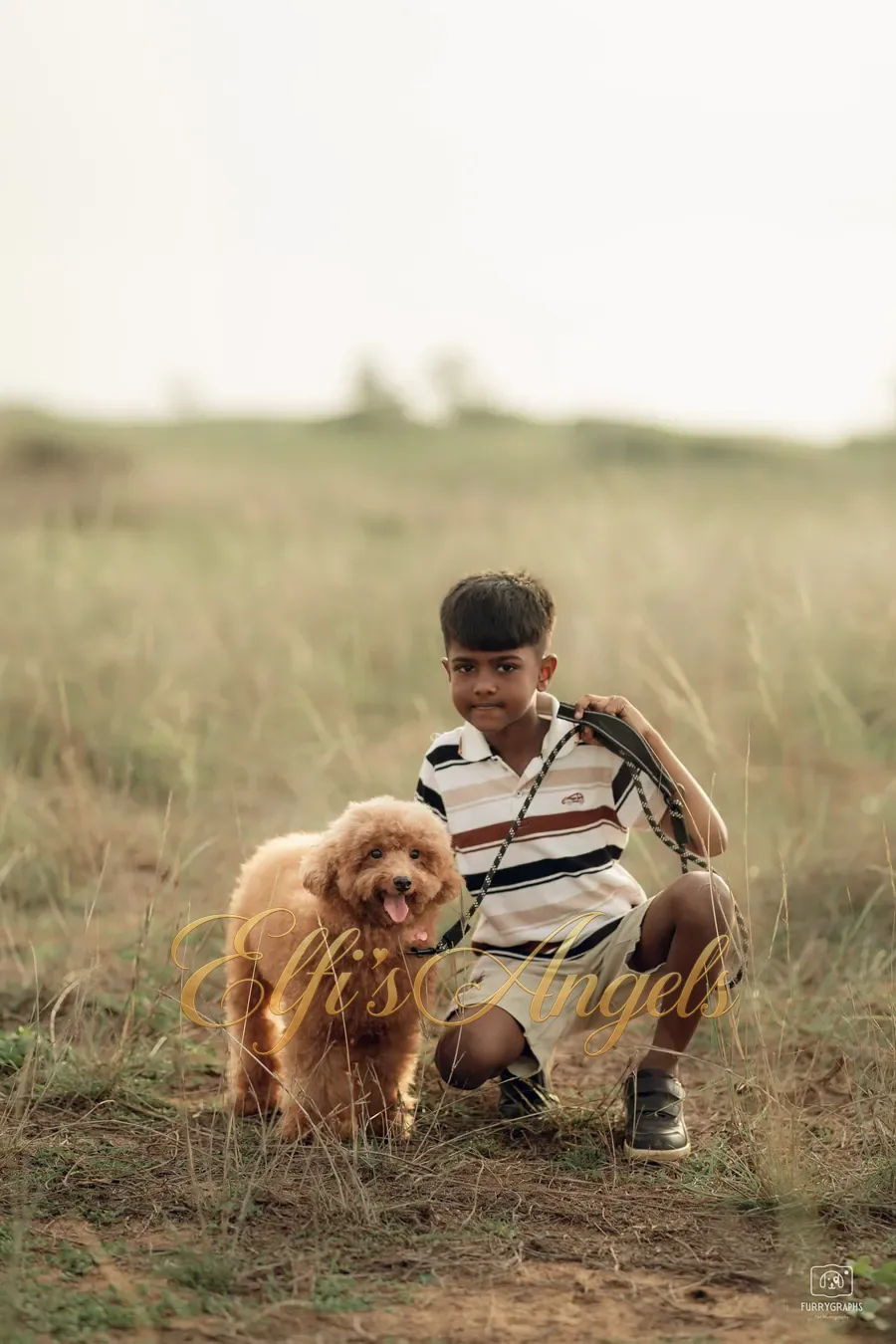
Poodles are wonderfully adaptable indoor companions. A flat can be every bit as happy as a villa when the dog has family connection, a clear toilet setup, brain games and a cool walk built into the day.
The magic is not square footage; it is rhythm. A useful daily anchor for many adults is about 30 minutes outdoors in the cooler part of the day, supported by little bursts of training, sniffing, retrieving and play indoors.
The quick answer
Start here
- Toy, Miniature and Standard Poodles can all thrive in apartments, individual houses and villas.
- A short outdoor walk plus indoor play and mental stimulation creates a satisfying day for many adults.
- A bathroom or secure balcony potty tray makes apartment life and working days much easier.
- Families away for 8–10 hours can plan meals before and after work, safe toys, rest and the right daytime support.
Apartment, individual house or villa: what really changes?
| Home | Advantage | Plan carefully |
|---|---|---|
| Apartment | Compact routine and close family contact. | Lift time, neighbours, corridor sounds, toilet backup and safe public-ground access. |
| Individual house | Easier direct outdoor access. | Gates, street exits, garden chemicals and assuming the yard replaces walks. |
| Villa or large home | More room for play and separate rest zones. | Stairs, slippery floors, pools, staff consistency and puppy supervision. |
Is a 30-minute walk enough?
For many healthy adult Toy and Miniature Poodles, a focused 30-minute daily walk combined with indoor play, training and sniffing can form a good routine. Some individuals need more. A healthy Standard Poodle often has greater exercise capacity and may benefit from additional walking, retrieving or other activity.
Young puppies enjoy several brief play-and-explore sessions with plenty of sleep between them. For adults, let energy and recovery guide the routine: the right amount leaves your Poodle relaxed, cheerful and ready for the next day.
A simple indoor stimulation menu
- Scatter part of a measured meal for a supervised sniff search.
- Teach one practical behaviour for three to five minutes: mat, touch, drop, wait or recall.
- Use food puzzles appropriate to the dog’s size and chewing style.
- Play short retrieve or tug sessions with rules for start and finish.
- Rotate safe chews and toys rather than leaving everything available.
- Practise doing nothing: reward relaxed settling while family life continues.
Build an indoor environment that works
- Non-slip paths between bed, water, toilet and family areas.
- A crate or pen introduced as a positive rest space, never punishment.
- A bathroom or secure balcony potty tray when outdoor access is slow.
- Fresh water and a cool resting place away from direct afternoon heat.
- Balcony mesh or barriers with no gaps, climbing furniture or unsupervised access.
- Gates around stairs, kitchens, prayer lamps, wires, medicines and cleaning products.
Indoor dogs still need alone-time skills
Constant company followed by a sudden full workday can create distress. Begin with a settled puppy behind a gate or in a pen for seconds, return before panic and increase gradually. Provide toileting before separation and do not expect a young puppy to hold for adult working hours.
Persistent howling, drooling, escape attempts, destruction at exits or refusal to eat when alone deserves early help from a qualified reward-based trainer and your veterinarian.
What changes by Poodle size?
| Variety | Indoor advantage | Plan carefully |
|---|---|---|
| Toy | Small footprint, easy transport and tray setup. | Falls, tiny bladder, child handling and larger-dog safety. |
| Miniature | Portable middle size with flexible activity options. | Alert barking, boredom and a real need for daily exercise. |
| Standard | Can settle well as a people-oriented indoor companion. | Lift space, adult strength, larger toilet output and more total movement. |
What “a 30-minute walk” should actually mean
For a healthy adult, a 30-minute cool walk with time to sniff can provide more value than a rushed march. It may be one part of the day rather than the whole exercise allowance. Some Toys will be satisfied with shorter split walks; energetic Miniatures and Standards may want more movement or a second outing.
Puppies enjoy frequent little adventures, play and training followed by plenty of sleep. A well-balanced adult routine leaves the dog pleasantly settled and cheerful, with energy ready for tomorrow.
Working 8–10 hours? Your Poodle can still have a lovely day
Many Poodle families work full-time. The answer is a predictable routine: activity and breakfast before office, a safe indoor setup during the day, and food, play, training and connection when you return.
A 10-week puppy still needs temporary daytime help for meals, toilet trips and gentle alone-time practice. A family member, trusted sitter or walker can bridge those puppy months. As the dog matures, a potty tray and well-practised routine make the workday much easier.
| Time | What your Poodle needs |
|---|---|
| Before office | Toilet, 20–30 minutes of cool walking or play, breakfast from the measured daily ration, and a five-minute training game. |
| During work | Fresh water, a safe room or pen, a clean potty tray, comfortable rest and a rotation of size-safe toys, a food puzzle or a suitable chew. |
| Midday in puppy months | A family member or sitter for the next meal, toilet visit, a little play and calm company. |
| After office | Toilet first, the next measured meal, a walk or retrieve game, a little training and relaxed family time. |
| Before bed | A quick comb or handling game, calm play and one final tray or outdoor toilet visit. |
A little Elfi’s note: Food quantities in our guides are for the full day. Split that daily total between the planned meals—do not add an extra full portion at each mealtime.
Barking, lifts, corridors and visitors
- Reward quiet attention before the dog barks; do not wait for a long outburst before responding.
- Use distance from lift doors and teach a sit or hand target so people can pass safely.
- Block rehearsed window or balcony barking with visual barriers and a settle station.
- Ask visitors to ignore jumping and reward four paws on the floor.
- Use white noise, enrichment and gradual alone-time practice—but investigate distress rather than masking it.
Build a home that supports the dog
- Add non-slip runners on polished tile, especially for puppies and Standards.
- Secure balcony gaps, windows, electrical cords, cleaners, medicines, food waste and small swallowable objects.
- Separate the toilet station from food, water and bedding and make it reachable at night.
- Provide a quiet bed or pen where children and visitors cannot disturb the dog.
- Rotate a small number of safe toys instead of leaving every toy out continuously.
- Keep indoor cooling and fresh water available during hot and humid weather.
The Elfi’s Angels difference
Our Poodles are raised around household life, everyday sounds, human company and age-appropriate play—the foundations of a confident indoor companion.
Our puppies leave at about 10 weeks with clear KCI-related paperwork, familiar care information and direct handover guidance. We are based in Chennai and shipping across India, with availability confirmed personally for every family.
Quick answers
Things families ask us
Can I have a Poodle if I work full-time?
Yes. Plan exercise and breakfast before work, a safe indoor area with water, toys and a potty tray, then food, play and family time after work. A 10-week puppy needs a temporary midday family or sitter visit while meals, toilet control and alone-time confidence develop.
Can a Standard Poodle live in a flat?
Yes, when the family can manage its larger body, provide reliable outings and mental work, teach calm manners and maintain the coat.
Do Poodles need a garden?
No. A garden is convenient but does not replace interactive exercise, training, sniffing or companionship.
How much indoor play does a Poodle need?
Use several short sessions matched to age and energy. The goal is a dog that can enjoy activity and then settle comfortably.
Does a Poodle need a garden?
No. A garden is useful for toilet access and play but does not replace walks, novelty, training or companionship. Many Poodles thrive in flats with a strong routine.
Can I leave a Poodle on the balcony during the day?
No. Balconies can become dangerously hot and expose dogs to falls, weather and constant triggers. Use a secured balcony only for supervised brief access or a maintained toilet station.
Will indoor living make a Poodle lazy or unhealthy?
Not if movement, enrichment, diet and preventive care are managed. Indoor residence describes where the dog rests—not whether it receives exercise.
Which Poodle size is quietest in an apartment?
A calm apartment routine comes from the individual dog’s temperament, socialisation and training. All three sizes can learn quiet settling with consistent, rewarding practice.
Want to see our sources?Breed clubs, veterinary guidance and feeding references used for this guide
- Poodle (Toy) breed informationAmerican Kennel Club
- Poodle (Miniature) breed informationAmerican Kennel Club
- Poodle (Standard) breed informationAmerican Kennel Club
- Is the Poodle the right breed for you?American Kennel Club
- Canine life-stage preventive care guidelinesAmerican Animal Hospital Association