
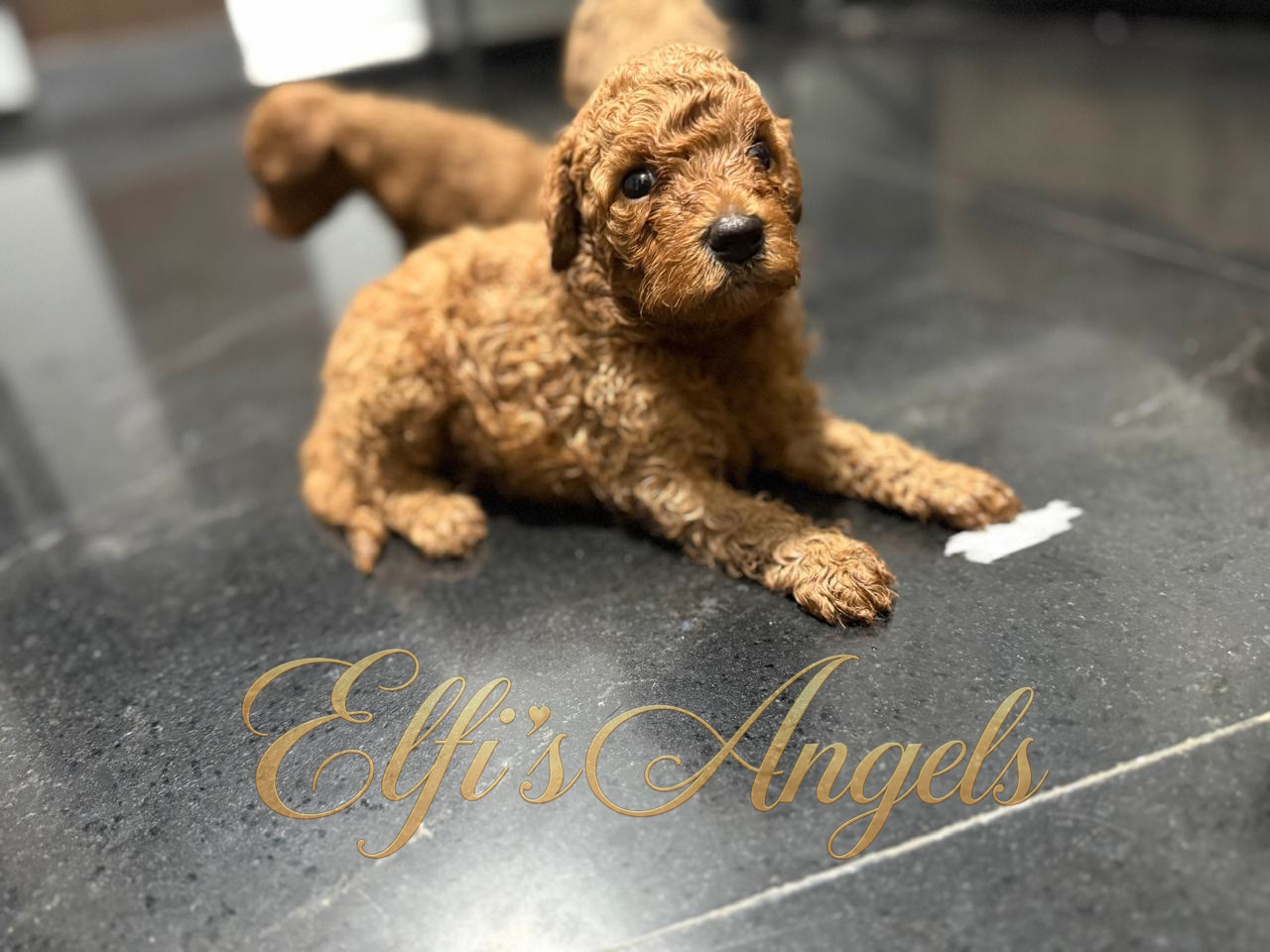
Your puppy comes home with a care record and a head start. The next step is simple: choose a trusted local veterinarian, share the record and let the clinic continue a wellness plan suited to your city and lifestyle.
Think of this as a happy handover team—Elfi’s Angels, your family and your veterinarian—working from the same information while your puppy grows.
The quick answer
Start here
- Book a friendly first appointment soon after homecoming and take every supplied record with you.
- Your vet will continue the puppy vaccine series and plan rabies, deworming and parasite prevention.
- Safe socialisation can begin through clean, controlled experiences while vaccine protection is developing.
- Keep the record together so future appointments are quick, clear and easy to follow.
What to take to the first local-vet visit
- Vaccination and deworming record with dates, product labels or stickers where supplied.
- Microchip number and KCI handover documents.
- Current food, gram quantity, meal times and any supplements.
- Notes on stool, urine, appetite, water intake, sleep, coughing, vomiting or itching.
- Transport details and any contact with unknown dogs or shared public ground.
The core puppy series
WSAVA’s 2024 global guideline recommends starting the combined core series for canine distemper virus, canine adenovirus and canine parvovirus no earlier than six weeks and repeating every three to four weeks until at least 16 weeks. In especially high-risk settings, a veterinarian may continue to 20 weeks.
The reason for multiple doses is not that each injection is a different disease stage. Maternal antibodies can interfere with early vaccination, and their decline differs between puppies. The local vet should calculate the remaining appointments from the puppy’s actual record rather than restarting or guessing.
Rabies, leptospirosis and lifestyle vaccines
Rabies timing must follow Indian law, the veterinarian’s advice and the locally licensed product label; international guidance notes that the first dose in many countries is generally not given before 12 weeks.
WSAVA treats leptospirosis as core where the disease is endemic, relevant serogroups are known and suitable vaccines exist. It usually requires an initial two-dose course. Your local veterinarian should assess Chennai or destination risk, product availability and timing.
Bordetella, canine influenza and other non-core vaccines depend on boarding, grooming, daycare, travel, shows, local outbreaks and exposure. “Non-core” means risk-based, not unimportant.
Socialise without taking avoidable disease risks
- Ask the vet which exact surfaces and dogs are acceptable before the core series is complete.
- Use clean homes, carried outings, car rides, sound exposure and known healthy vaccinated dogs when approved.
- Avoid dog parks, pet-shop floors, common elimination areas and unknown dogs until cleared.
- Do not isolate the puppy from all life experiences; the socialisation window is also time-sensitive.
Deworming, fleas, ticks and heartworm
Parasite plans depend on body weight, product age limits, exposure, travel and local disease. Ask the veterinarian about faecal testing, intestinal-worm control, flea and tick prevention, and whether heartworm testing or prevention is indicated in your area.
Never combine products or divide a larger-dog dose without professional instruction. Weigh growing puppies before weight-banded medication and keep every dose in one record.
Preventive care beyond vaccines
| Review | Why it matters |
|---|---|
| Growth and body condition | Detect underfeeding, excess calories and abnormal development early. |
| Skin, coat and ears | Poodles can hide skin changes beneath curls and retain moisture in ears. |
| Teeth and bite | Build home brushing and identify retained puppy teeth or trauma. |
| Patellae, gait and joints | Toy and Miniature Poodles have size-related orthopaedic considerations; all sizes need sound movement. |
| Behaviour | Pain, fear and medical problems can first appear as behaviour change. |
| Reproductive planning | Discuss neuter timing individually rather than using one age for every Poodle size. |
How to read the handover record before the appointment
| Record item | Why it matters |
|---|---|
| Puppy identity and microchip | Confirms that the record belongs to the puppy in front of the vet. |
| Vaccine product and sticker | Shows antigens, manufacturer, batch and sometimes expiry rather than only a handwritten “vaccinated.” |
| Date and puppy age | Determines whether timing fits the series and when the next immune opportunity should occur. |
| Route and veterinary signature | Helps validate how and by whom the product was administered. |
| Deworming and parasite products | Prevents unsafe duplication and lets the vet calculate the next weight-based dose. |
| Symptoms and feeding record | A sick puppy may need assessment before a routine vaccine is given. |
What to do after a vaccination
- Keep the rest of the day quiet, offer water and normal measured food, and avoid a new groom, long journey or strenuous play.
- Mild temporary tiredness or tenderness can occur; ask the clinic what they expect for the specific product.
- Contact the clinic promptly for persistent vomiting or diarrhoea, marked facial swelling, widespread hives, breathing difficulty, collapse, extreme weakness or any rapidly worsening reaction.
- Record the date, product and next appointment before leaving the clinic.
- Do not give human painkillers, antihistamines or leftover medicines unless the veterinarian has specifically directed the dose.
Socialise before the series is complete—without careless exposure
The early socialisation window and the puppy vaccine series overlap. Avoiding every new experience until the final injection can create a behaviour cost, while uncontrolled dog parks, pet-shop floors and high-traffic waste areas create avoidable infection risk.
Use clean home visits, carried observation, car rides, household sounds, surfaces, gentle handling and carefully selected healthy vaccinated dogs. A well-run puppy class may be appropriate after veterinary review of the facility, entry requirements and local disease risk.
Deworming, fleas, ticks and heartworm are separate decisions
“Dewormed” does not mean protected forever or against every parasite. The veterinarian should choose products and timing using weight, age, stool findings, mosquito and tick exposure, travel, other pets and local disease patterns.
Never combine over-the-counter products without checking active ingredients. Dog products can differ by minimum age and weight, and some products used around dogs are dangerous to cats. Bring every box, strip or photograph of a label to the appointment.
The rest of the first-year preventive map
- Growth and body-condition checks, with meal adjustment rather than waiting for obvious obesity.
- Microchip scan and correct owner contact details.
- Mouth, bite and retained baby-tooth checks, plus daily tooth-brushing training.
- Skin, ear, eye, heart, abdomen, gait and kneecap or orthopedic examination as appropriate for size.
- Behaviour and socialisation review before fear, separation or handling problems become established.
- A personalised discussion of sterilisation timing, benefits and risks rather than a universal date.
- A written schedule for the next wellness exam, boosters and parasite prevention.
The Elfi’s Angels difference
Your puppy leaves with a clear care record so your own veterinarian can continue the wellness plan without guesswork.
Our puppies leave at about 10 weeks with clear KCI-related paperwork, familiar care information and direct handover guidance. We are based in Chennai and shipping across India, with availability confirmed personally for every family.
Quick answers
Things families ask us
Are puppy vaccinations complete at 10 weeks?
Usually not. Core puppy vaccination commonly continues at veterinary intervals until at least 16 weeks, based on the actual record and local risk.
When should I take my new puppy to my own vet?
Elfi’s Angels Kennel recommends one quiet day after homecoming followed by an independent veterinary examination.
Can my puppy walk outside before all vaccines are complete?
Ask your veterinarian about the exact route and local parvovirus risk. Safe socialisation can begin without using high-risk shared dog areas.
Can I take my puppy outside after the second vaccine?
There is no universal yes/no point. Your veterinarian should assess the exact doses, puppy age, local parvovirus risk and the proposed surface. Clean controlled socialisation can continue meanwhile.
Why are several core puppy doses needed?
Maternal antibodies decline at different times and can interfere with early vaccination. Repeated doses create several opportunities for the puppy to respond as that interference wanes.
Can vaccination and deworming be done on the same day?
Sometimes, but the veterinarian should decide from the puppy’s health, products, previous record and parasite risk. Do not schedule or combine treatments yourself.
Does an indoor Poodle need parasite prevention?
Indoor dogs can still encounter mosquitoes, fleas, ticks, soil and carried-in parasites. Risk and product choice should be reviewed rather than assumed absent.
What should I do if the vaccination sticker is missing?
Show the entire record to the veterinarian and contact the administering clinic or breeder for verifiable details. Do not invent a date or product.
Want to see our sources?Breed clubs, veterinary guidance and feeding references used for this guide
- 2024 guidelines for vaccination of dogs and catsWorld Small Animal Veterinary Association
- Core and non-core canine vaccine recommendationsAmerican Animal Hospital Association
- Canine life-stage preventive care guidelinesAmerican Animal Hospital Association
- Puppy socialisation position statementAmerican Veterinary Society of Animal Behavior